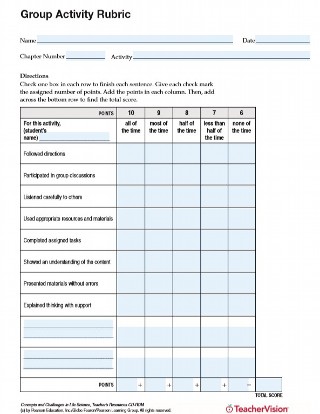
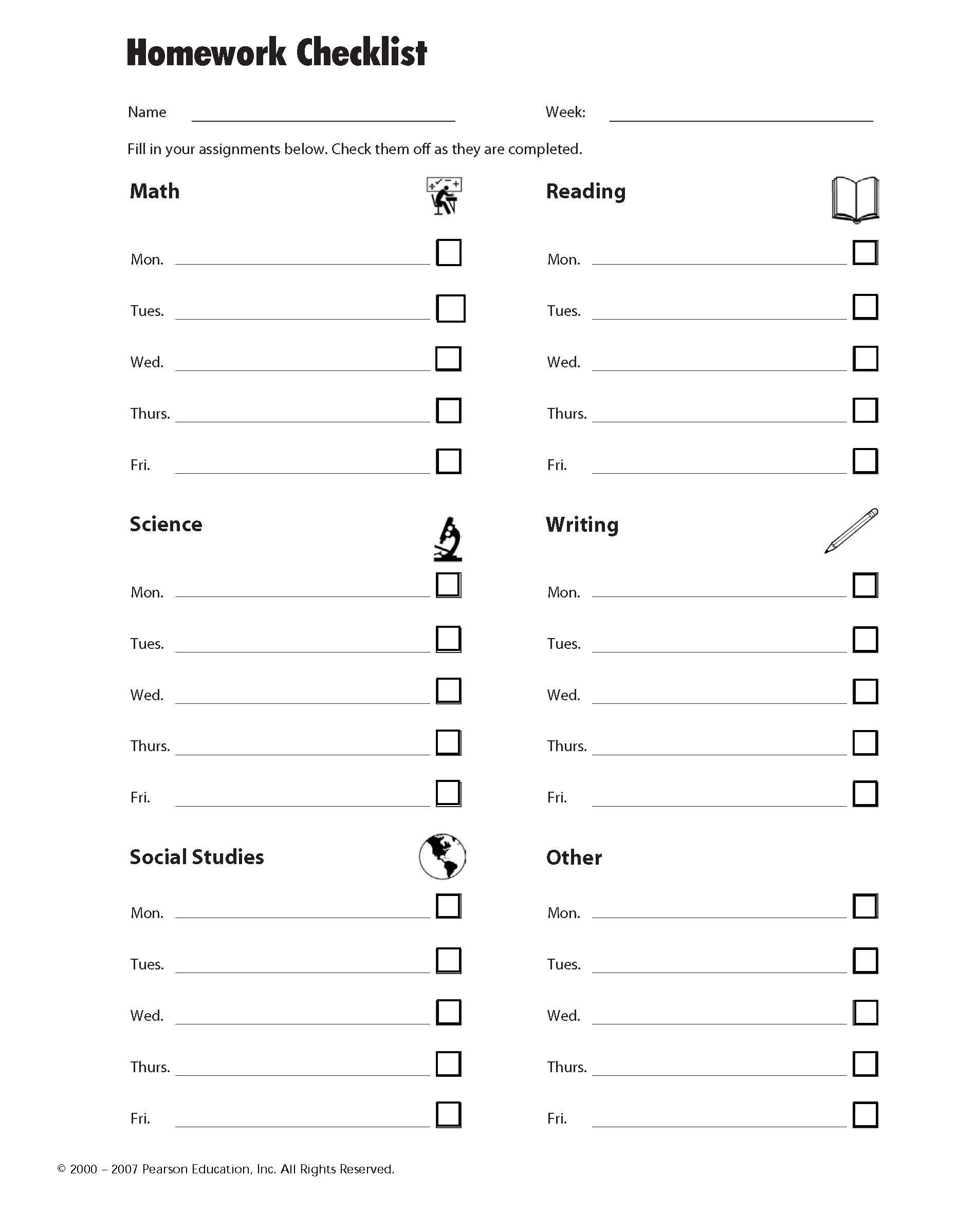
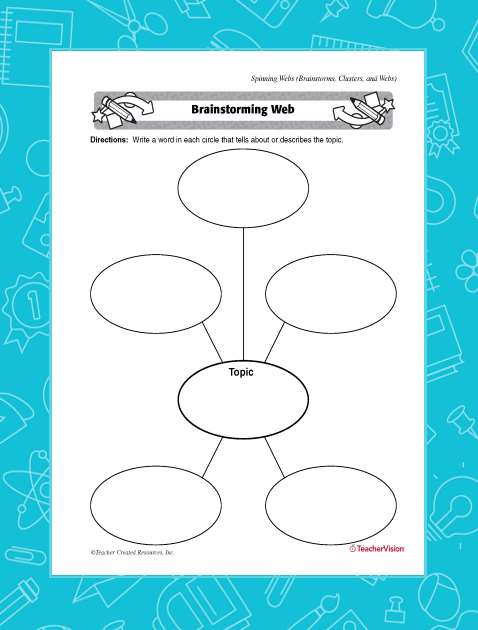
The toughest challenges in the classroom become easier when you have the right resources. Find our best classroom management resources, from advice on setting up your classroom, to behavior modification articles, to effective teaching methods and strategies. Whether you're a new teacher or a seasoned veteran, there's something for all grade levels, K-12.
Different Teaching Methods and Strategies
All teachers, but especially new teachers, will find these Teaching Methods and Strategies resources very helpful in setting up and structuring your lessons and classroom. From lesson planning tips, to questioning strategies, to advice about wait times.- Teachers’ Toolkit of Teaching Strategies and Templates
- 20 Tips for Lesson Planning and Classroom Management
- 5 Tips to Master Classroom Management
- Classroom Management Strategies & Advice
- Classroom Management & Success as a Teacher
- Classroom Management Techniques for Student Behavior
- Top 10 Behavior Management Tips for the Classroom
- Tried and Tested Attention-Getters to Keep Control of your Classroom
- Learner-Centered vs. Curriculum-Centered Teachers: Which Type Are You?
- Standards for Good Teaching
- Textbooks: Advantages and Disadvantages
- Levels of Questions in Bloom's Taxonomy
- Your Secret Weapon: Wait Time
- Problem-Solving
Cooperative Learning Strategies
Learn effective ways to teach in your classroom with these Cooperative Learning resources which are excellent in helping develop critical thinking skills in students.- Teaching with Cooperative Learning
- Cooperative Learning
- More Cooperative Learning Teaching Strategies
Inclusive Classroom
These inclusive learning resources include suggestions for using material adaptations effectively, helping special needs students become independent learners, and much more.- Adapting Language Arts, Social Studies, and Science for the Inclusive Classroom
- Adapting Reading and Math Materials in the Inclusive Classroom
- Teaching Strategies for Using Materials in an Inclusive Classroom
- How to Manage Disruptive Behavior in Inclusive Classrooms
- Adapt Lessons to Reach All Students
- Discovering Math in Literature
- Planning Pyramid for Multi-Level Mathematics Instruction
- Teaching Mathematics to Gifted Students in a Mixed-Ability Classroom
- Math & Science Teaching Strategies
- More Inclusive Classroom Resources
Teaching Reading and Language Arts
Browse through our resources for teaching the various aspects of Language Arts to find suggestions and techniques to use in your classroom.Integrating Technology in the Classroom
Useful tools and techniques to help you integrate technology and assistive technology, as well as DVDs and television into your classroom, are found in these resources.- Assistive Technology for Students with Mild Disabilities
- Stages to Technology Integration
- Integrating Technology
Addressing Special Needs in the Classroom
With these resources, you will be guided through principles that address accommodations and modifications with a printable checklist to help with IEPs.- Teaching Students with Special Needs
- Effective Accommodations for IEPs
- Educating Children Who Are Deaf or Hard-of-Hearing
- Universal Design for Learning
- Managing the Classroom: Teaching Students with ADD
- Handling ODD in the Classroom
- More Special Needs Teacher Resources
Learning From Social Interactions
Choose from sample activities for student-to-student learning, along with the benefits and how to implement service-learning projects, and more.The Classroom Environment
Teachers will learn ways to incorporate learning centers in their classroom, as well as how to effectively set up the physical aspects of their classroom to enhance student learning.- Learning Centers
- Creating an Effective Physical Classroom Environment
- Conflict Resolution Lessons
- The Basics of Centers
- The Complete Classroom Jobs and Helpers Kit
Multiple Intelligences
Descriptions of what Multiple Intelligences are, ways to use them in assessments, and a chart of activities to enhance Multiple Intelligences are included in these resources.- Multiple Intelligences: An Overview
- Using Multiple Intelligences in Testing & Assessment
- Multiple Intelligences: A Three Part Series
- Multiple Intelligences Chart